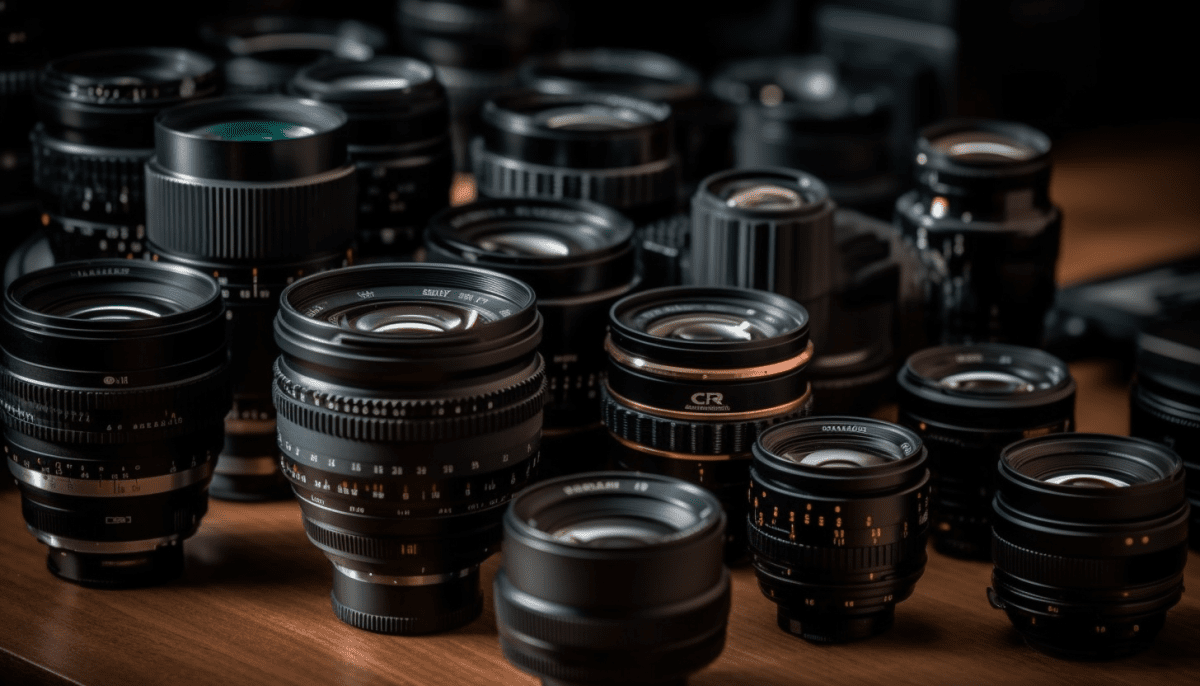
When you’re getting into photography, the type of lens you use can make a huge difference in your photos. There are a few main types you might consider, and each one has its strengths. Let’s break them down.
First up, we have prime lenses. These guys have a fixed focal length, which means you can’t zoom in or out. But that's okay! They’re often lighter and tend to have wider apertures, allowing for better low-light performance and that lovely background blur. If you're into portrait photography, a good 50mm prime lens can work wonders for your shots.
Then there are zoom lenses. These lenses cover a range of focal lengths, which makes them super versatile. Whether you’re shooting a landscape or a group selfie, a zoom lens has got you covered. They might be a bit bulkier, but the ability to zoom in or out without changing lenses is super convenient for those adventurous days out!
Lastly, let’s not forget about wide-angle and telephoto lenses. Wide-angle lenses are perfect for capturing expansive landscapes or tight spaces, making everything feel grander. On the flip side, telephoto lenses allow you to get up close to your subjects without physically moving closer. Great for wildlife photography or any situation where you need to keep your distance!
Choosing the right lens really depends on what you’re shooting and your style. Try out different types to see what feels right, and you’ll soon find what helps you capture the world the way you want!
How to Choose the Right Lens
Choosing the right lens can feel a bit overwhelming, but it doesn't have to be! Start by thinking about what kind of photos you want to take. Are you aiming for stunning landscapes, detailed portraits, or fast-action sports shots? Understanding your photography style is key to picking the perfect lens.
Next, consider the focal length. This number affects how zoomed in or out your photos will be. A lens with a shorter focal length, like a 24mm, will give you a wide field of view. It’s great for capturing those beautiful landscapes or large group shots. On the flip side, if you want to zoom in on a distant subject, like wildlife or sports, go for a longer focal length lens, such as a 200mm.
Another important factor is the lens aperture. This controls how much light can enter the lens. A lens with a larger aperture (like f/1.8) is perfect for low-light situations and creates that lovely blurry background effect, making your subject pop. If you’re shooting in bright daylight or want a sharper depth of field, a smaller aperture (such as f/8) works well.
Don't forget about the type of lens! Zoom lenses offer flexibility, letting you shoot at various focal lengths without changing lenses. Prime lenses, on the other hand, can give you better image quality and larger apertures. Think about how often you want to switch lenses versus how much you want to invest.
Finally, consider your budget. There are great options at different price points. Whether you’re just starting out or ready to invest in your gear, there’s a lens that fits your needs and wallet. Do a bit of research, read reviews, and if possible, try a few lenses in a store to see what feels right in your hands!
Exploring Lens Accessories and Add-ons
When it comes to photography, your lens is just the beginning. Lens accessories and add-ons can take your shots to a whole new level. Whether you're aiming for that crisp landscape or that dreamy portrait, the right accessories can help you achieve your vision.
First up, let’s talk about filters. These little guys screw onto the front of your lens and can make a huge difference. A polarizing filter can reduce glare and enhance colors, which is perfect for outdoor shots. If you're into landscape photography, a neutral density (ND) filter lets you play with longer exposure times, giving that smooth, dreamy water effect or softening clouds in the sky. Trust me, you’ll want these in your bag.
Next on the list are lens hoods. They don't just look cool; they help block unwanted light and prevent lens flare. This means your photos will be clearer and have better contrast. Plus, they offer a bit of extra protection for your lens, which is always a bonus. They’re a simple accessory, but they can make a noticeable difference in your final image.
Don’t forget about extension tubes! These nifty little gadgets go between your camera and lens, allowing you to focus much closer than usual. They’re perfect for capturing details in nature, like the textures of leaves or tiny insects. If you’re into macro photography, you won’t regret adding these to your kit.
Last but not least, think about lens adapters if you want to experiment with different lenses on your camera. These can open up a world of creative possibilities and let you use vintage or specialty lenses that might not be compatible with your camera’s mount. You can create unique effects and discover new styles that truly reflect your artistic vision.
Tips for Using Lenses Effectively
Using your camera lens effectively can really change the game in your photography. Here are some simple tips to help you get the best out of your lenses and capture stunning shots.
First off, know your lens. Each lens has a unique purpose – whether it’s a wide-angle for landscapes, a macro for close-ups, or a telephoto for those far-off subjects. Familiarize yourself with the capabilities and limitations of your lens to get the best results. Want to take dramatic portraits? Grab a lens with a wider aperture to create a beautiful background blur.
Lighting can make or break your shots. When you adjust your aperture, remember that a lower f-stop means more light but shallower depth of field. This can help you focus on your subject while softening the background. Just be careful with very bright conditions; you might need to use a polarizing filter to reduce glare and keep your colors vibrant.
Don’t forget to pay attention to your composition. Play around with different angles and distances to find the most flattering perspective. Whether you’re shooting a bustling city street or a quiet meadow, try experimenting with your focal length. A zoom lens can help you frame your shot without having to move too much, while a prime lens encourages creativity in how you position yourself.
Finally, practice makes perfect. Take your camera out regularly, test your settings, and play with different lenses in various settings. The more you play around, the better you'll get at knowing when and why to use each type of lens. Enjoy the journey, and don’t be afraid to make mistakes – they lead to learning and growth!